Tartan Newsletter Ed 13
23 Sep 2026


18 Sep 2026
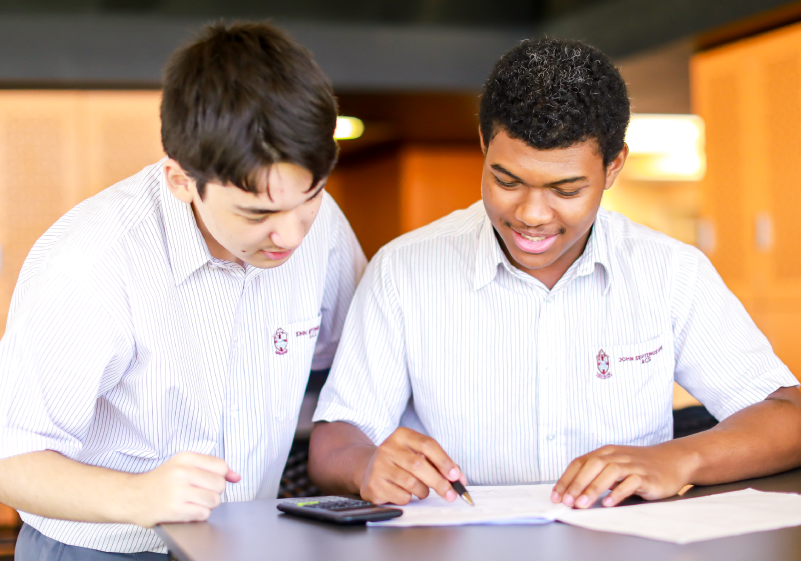
As we look ahead to our 2026 school theme of Igniting Curious Minds, we encourage every student to reflect on how they can become the very best learner and version of themselves. Success at school is not simply about ability. It is about developing the habits, mindset, and determination that allow students to learn, grow, and achieve personal excellence.
Our Senior School theme words, Explore, Commit, Thrive, align closely with a student study model, the VESPA model, developed by Steve Oakes and Martin Griffin. VESPA identifies five key behaviours that help students achieve success: Vision, Effort, Systems, Practice, and Attitude (VESPA).
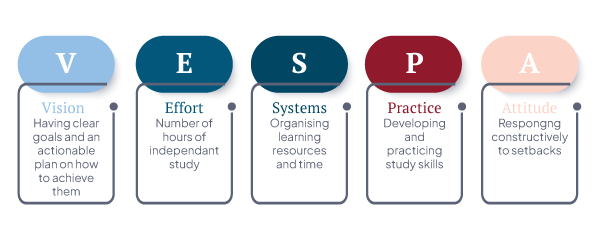
Curious learners explore possibilities and think purposefully about their future. Students who have a clear vision understand what they are working towards and why it matters. Whether their pathway leads to university, TAFE, training, an apprenticeship, or employment, having meaningful goals provides the necessary motivation and direction. Students are encouraged to set goals, record their expectations for assessment tasks, and reflect on their progress in SEQTA throughout the semester. Parents can read their child’s Expectations and Reflections and check in with them regarding how this is aligning with their future career goals.
Effort means preserving and dedicating quality time to homework, revision, wider reading, and independent study. Achievement requires commitment.
Systems refer to organising notes, preserving time for study and managing this time effectively, and routines for preparing for assessments well in advance.
Practice is where real learning happens. Spaced practice and active recall are essential components of effective study. Simply reading notes is not enough; students make the greatest gains when they actively apply their learning through practice questions, problem-solving tasks, and reviewing mistakes. Every challenge provides valuable feedback and an opportunity for improvement.
When students commit to effective effort, strong systems, and purposeful practice, they take ownership of their learning and build confidence in their abilities, thus reducing assessment anxiety and increasing their enjoyment of learning.
Of all the VESPA elements, the ‘A’ for attitude may be the most important. Students who respond positively to setbacks, learn from mistakes, and maintain a growth mindset are
more likely to achieve their personal best. Resilience, persistence, and determination help students navigate challenges and continue moving forward when learning becomes difficult. A positive attitude transforms challenges and obstacles into opportunities for growth and encourages a curious mind.
As Semester Two progresses, now is the time to review goals, strengthen study routines, and ensure that attitude remains your greatest asset. There is time to implement the VESPA model before we creep any closer to the next tests and final examinations.
Congratulations to all students who are already striving for their personal best, and have found a study model that works well for them. Success is not defined solely by a final grade, but by the willingness to learn, improve, and grow. By embracing the VESPA principles throughout the Senior School Journey of Explore, Commit and Thrive, students can become the best version of themselves. They can leave school equipped with the habits and skills required to continually learn in our ever-changing world.
Reference
Oakes, S., & Griffin, M. (2017). The A Level Mindset: Successful Attitudes and Behaviours for Accelerating Learning. Crown House Publishing.

%20(800%20x%20560%20px).png)